Understanding Metal Roofing: Advantages and Disadvantages
Metal roofing has gained immense popularity over the years, especially in regions like Ontario where the climate can be harsh. Homeowners are increasingly turning to this durable roofing option for its longevity and aesthetic appeal. Whether you're building a new home or considering a roof replacement, understanding the nuances of metal roofing is crucial. This guide will delve into the various benefits and potential drawbacks of choosing metal roofing, guiding you to make an informed decision that suits your needs. When exploring options, metal roofing ontario provides comprehensive insights into local offerings and regulations.
What is Metal Roofing?
Metal roofing is a building material characterized by its use of metal sheets or tiles. Unlike conventional roofing materials such as asphalt shingles, metal roofing can be made from various materials, including steel, aluminum, copper, and zinc. These materials are available in various styles, colors, and finishes, offering flexibility in design while providing superior protection against the elements. Metal roofs are known for their high resistance to weather conditions and fire, making them a preferred choice for many homeowners in Ontario.
Benefits of Metal Roofing in Ontario
- Longevity: Metal roofs can last 40 to 70 years, depending on the material, significantly outlasting traditional asphalt shingles which typically need replacement every 15-20 years.
- Durability: They are resistant to extreme weather conditions, such as heavy snow, hail, and strong winds, making them ideal for Ontario's varied climate.
- Energy Efficiency: Metal roofs reflect solar radiant heat, which can reduce cooling costs in the summer by 10-25%.
- Low Maintenance: Metal roofs require minimal maintenance compared to other roofing materials, providing long-term savings.
- Eco-Friendly: Many metal roofs are made of recycled materials and are 100% recyclable at the end of their lifespan.
Potential Drawbacks and Considerations
- Initial Cost: The upfront cost of metal roofing can be higher than traditional materials. However, considering their longevity, many homeowners find this to be a worthwhile investment.
- Noise: Metal roofs can be noisier than other roofing types, especially during heavy rain or hail. Additional insulation can mitigate this issue.
- Expansion and Contraction: Metal roofs can expand and contract with temperature changes, which may cause issues if not installed correctly. Hiring a qualified contractor can help avoid this.
Types of Metal Roofing Available
Different Materials: Aluminum, Steel, and Copper
There are several types of metal used in roofing, each with its distinct advantages and aesthetic appeal. Aluminum is lightweight and resistant to corrosion, making it an excellent choice for coastal areas. Steel, particularly galvanized steel, is known for its strength and affordability. Copper, while more expensive, offers a unique, stylish look that develops a beautiful patina over time, enhancing curb appeal.
Styles and Designs: Finding the Right Fit
Metal roofing comes in various styles, including standing seam, corrugated, and metal shingles. Standing seam roofs feature vertical panels that interlock, offering a sleek appearance and excellent water resistance. Corrugated roofs are characterized by their wavy pattern, often used in industrial settings but gaining popularity for residential homes. Metal shingles simulate the look of wood or slate, providing a more traditional aesthetic while retaining the benefits of metal.
Comparing Costs: Affordability vs. Longevity
The cost of metal roofing varies widely based on the materials and style chosen. While the initial investment can be higher than asphalt shingles, the longevity and minimal maintenance requirements often result in lower lifetime costs. For example, while a standard asphalt roof may cost around $3.50 to $5.50 per square foot, a metal roof can range from $7 to $12 per square foot. Homeowners should consider long-term savings when evaluating roofing options.
Choosing the Right Installer for Metal Roofing
Qualities to Look for in a Contractor
When selecting a contractor for metal roofing installation, it's essential to look for experience and specialization in metal roofing. A qualified contractor should have a solid understanding of local building codes and regulations, as well as the specific challenges posed by Ontario's climate. Additionally, assess their licensing and insurance to protect yourself from potential liabilities.
Questions to Ask Before Hiring
Before hiring a contractor, ask specific questions to gauge their expertise. Inquire about their previous work and request references from past clients. Questions such as "What warranties do you offer on materials and workmanship?" and "How do you handle weather-related delays?" can provide insight into their practices and reliability. Understanding their processes will help you make a more informed decision.
Reading Reviews and Assessing Portfolios
Reviews and portfolios are invaluable resources when assessing a contractor's capability. Look for testimonials on their website and third-party review sites. A strong portfolio showcasing various projects can give you confidence in their ability to deliver quality work tailored to your design preferences.
Installation Process: What to Expect
Preparation: Assessing Your Home and Roof Structure
The installation process begins with an assessment of your home's structure and existing roof condition. A qualified contractor will evaluate whether the current framework can support a metal roof and identify any necessary repairs or reinforcements. This preliminary inspection is crucial in preventing future issues and ensuring a smooth installation.
Step-by-Step Installation Process
- Removing Old Roofing: If you have an existing roof, it must be removed. This process involves stripping the old material, which can take several hours.
- Repair and Reinforce: Any underlying damage will be addressed, and reinforcements may be added to ensure stability.
- Installing Underlayment: A moisture barrier is installed to protect against water infiltration.
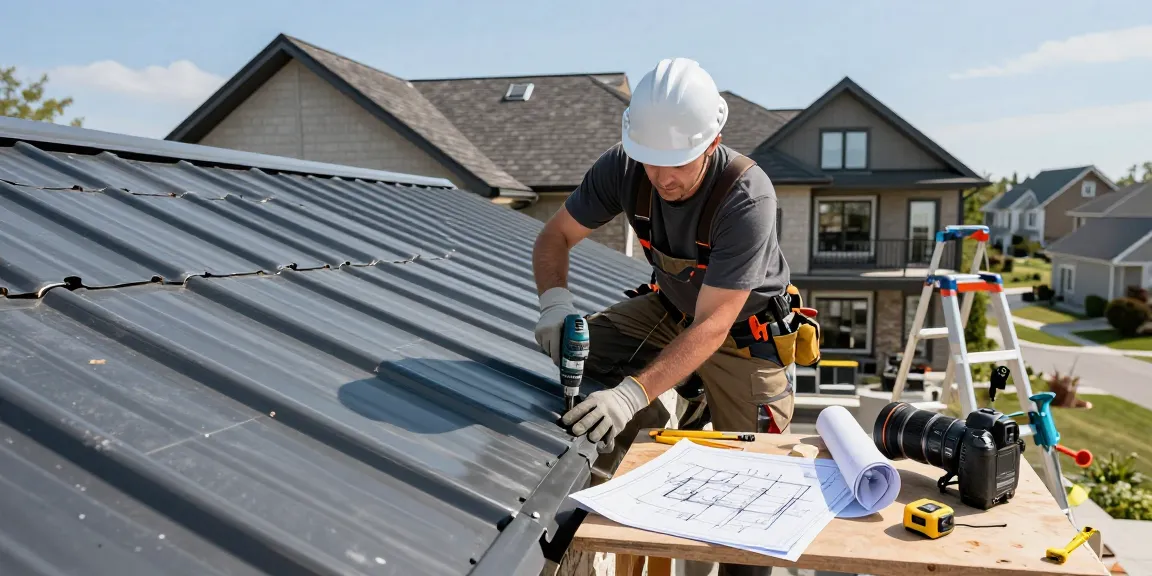
- Placing Metal Panels: The metal panels are carefully placed, ensuring proper alignment. This step requires precision to avoid future leaks.
- Sealing and Finishing: Finally, seams are sealed to ensure watertight integrity, and finishing touches are added, such as flashings and trims.
Post-Installation: Maintenance and Care Tips
Once your metal roof is installed, it's essential to maintain it properly. Regular inspections are recommended to check for loose screws, rust, or debris accumulation. Cleaning the roof with a gentle pressure wash can remove dirt and prevent deterioration of the finish. Homeowners should also be mindful of overhanging branches that may scratch the surface and cause damage over time.
The Future of Metal Roofing in Ontario: Trends and Innovations
Emerging Technologies in Metal Roofing
The roofing industry is rapidly evolving, with innovations continuously enhancing the durability, efficiency, and aesthetic appeal of metal roofing. For example, advancements in coatings can improve UV resistance and reduce heat absorption, further increasing energy efficiency. Additionally, the integration of solar technologies into metal roofing systems is becoming more prevalent, allowing homeowners to harness renewable energy while maintaining their roofs' integrity.
Environmental Impact and Sustainability Perspectives
As environmental awareness grows, the importance of sustainable building materials cannot be overstated. Metal roofing is considered a green roofing option due to its recyclability and energy-efficient properties. Many metal roofs are made from recycled materials, and at the end of their lifespan, they can be recycled again, minimizing waste in landfills.
Looking Ahead: Predictions for the Roofing Market in 2026
As we move toward 2026, the roofing market is expected to witness a significant shift toward sustainable materials and technologies. With rising energy costs and increasing environmental regulations, homeowners are likely to invest more in energy-efficient roofing solutions. The demand for metal roofing is projected to grow as more homeowners recognize the long-term benefits, making it a staple in the Ontario roofing market.
What are the Most Common Types of Metal Roofing?
The most common types of metal roofing include standing seam, corrugated metal, and metal shingles. Each type offers different benefits and aesthetics, catering to various homeowner preferences.
How Long Does Metal Roofing Last in Ontario?
Metal roofing typically lasts between 40 to 70 years, depending on the material and maintenance. This longevity makes it a cost-effective investment for homeowners.
What Maintenance is Required for Metal Roofing?
Metal roofs require minimal maintenance, but regular inspections for rust, loose fasteners, and debris buildup are recommended to ensure longevity.
Are There Any Energy-Efficient Benefits to Metal Roofing?
Yes, metal roofs reflect solar heat, which can significantly lower cooling costs in the summer, making them an energy-efficient roofing option.
How Does the Cost of Metal Roofing Compare to Asphalt Shingles?
While metal roofing has a higher upfront cost, its longevity and low maintenance needs often result in lower overall costs compared to asphalt shingles, which require more frequent replacement.