Understanding Common Appliance Issues
In today's fast-paced life, household appliances play a vital role in simplifying our daily tasks. However, these machines are not immune to wear and tear. Understanding common appliance issues can save you time, money, and the inconvenience of unexpected breakdowns. By identifying signs of malfunction early, you can prevent minor issues from escalating into costly repairs. For residents in Vaughan, it's crucial to find reliable services, such as Appliance Repair Vaughan, that can address your appliance woes quickly and efficiently.
Identifying Signs Your Appliances Need Repair
Every appliance exhibits specific signs indicating that it may need repair. Recognizing these signs early can help you avoid further damage. Common indicators include:
- Unusual Noises: Grinding, squeaking, or rattling sounds often suggest mechanical issues.
- Inconsistent Performance: If your refrigerator isn't cooling or your oven isn't heating evenly, it's time to investigate.
- Leaks or Puddles: Any leakage from appliances like dishwashers or washing machines can lead to significant water damage if not addressed.
- Electrical Issues: Flickering lights when an appliance is in use can indicate an electrical problem that requires urgent attention.
Most Common Appliance Failures
Appliances can fail for several reasons, and understanding these can help in troubleshooting. Some of the most common appliance failures include:
- Refrigerator Failures: A faulty compressor or evaporator can lead to cooling problems.
- Washing Machine Issues: Overloading and clogged drainage systems often cause malfunction.
- Dishwasher Malfunctions: Problems can arise from clogged filters, hoses, or pump issues.
- Dryer Failures: Lint buildup in the vents can lead to overheating and fire hazards.
Understanding Appliance Lifespan and Maintenance
Every appliance has a lifespan and requires regular maintenance to function optimally. Generally, major appliances like refrigerators last around 10-20 years, while washers and dryers typically last about 10-15 years. Regular maintenance includes cleaning, checking seals, and ensuring proper usage. Simple practices, like wiping down surfaces and checking hoses, can significantly extend the life of your appliances.
DIY vs. Professional Appliance Repair
When it comes to appliance repair, many homeowners face the dilemma of whether to attempt a DIY fix or to call a professional. Understanding when to take on repairs yourself versus when to call in the experts can save you considerable time and expense.
When to Attempt DIY Repairs
If you have basic troubleshooting skills and your appliance has minor issues, DIY repairs can be a cost-effective solution. Tasks such as changing a dishwasher filter, unclogging a washing machine drain, or replacing refrigerator light bulbs are typically manageable for a keen DIYer. Always ensure you follow safety protocols and read the appliance manual.
Benefits of Hiring Professional Services
While DIY repairs can be economical, hiring a professional offers numerous advantages:
- Expertise: Professionals are trained to handle complex issues that require specialized knowledge.
- Safety: Working with electrical appliances carries risks; professionals are equipped to deal with these safely.
- Warranty Preservation: Using professional services can help maintain your warranty, as many manufacturers require certified technicians for repairs.
- Time-Saving: Professionals can quickly diagnose and fix issues, allowing you to return to your routine sooner.
What to Expect from Appliance Repair Services in Vaughan
When you reach out to appliance repair services in Vaughan, you can typically expect a few key components:
- Initial Assessment: A technician will evaluate your appliance to diagnose the issue.
- Transparent Pricing: Reputable services will provide an estimate upfront, detailing the costs of parts and labor.
- Efficient Repairs: Most professionals aim to complete the repair during the first visit, contingent on parts availability.
Tools and Techniques for Appliance Repair
A proficient repair technician must be well-equipped with the right tools and knowledge of various techniques to effectively address appliance issues.
Essential Tools Every Repair Technician Should Have
The following tools are essential for any technician:
- Screwdrivers: A variety of sizes and types for removing screws.
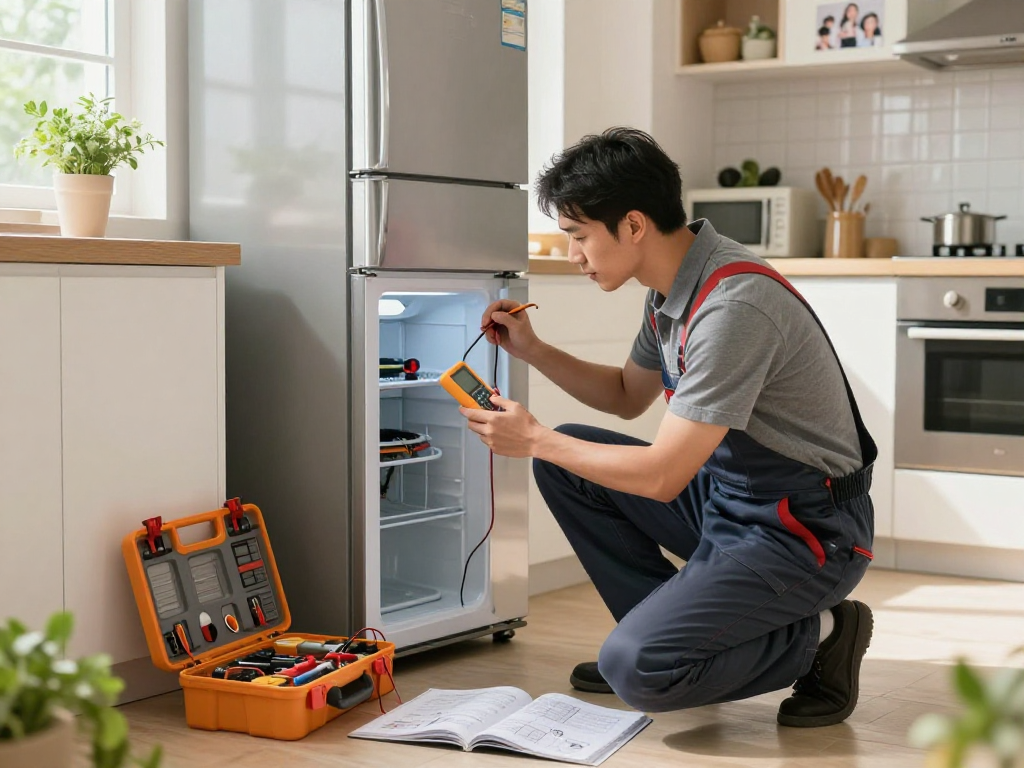
- Multimeter: Necessary for diagnosing electrical issues.
- Pliers: Useful for gripping and twisting wires and small components.
- Wrenches: Important for loosening and tightening bolts and fittings.
- Vacuum Cleaner: Helpful for cleaning vents and dust inside appliances.
Common Repair Techniques for Major Appliances
Repair techniques vary by appliance type, but some common practices include:
- Replacing Components: This often involves troubleshooting and identifying faulty parts, such as motors or thermostats.
- Sealing Leaks: For washing machines and dishwashers, resealing or replacing hoses may be required.
- Calibration: Many appliances require calibration to function correctly, especially refrigerators and ovens.
Safety Protocols during Appliance Repair
Safety should always be a priority when repairing appliances. Key safety protocols include:
- Unplugging Appliances: Always disconnect power before performing any repairs.
- Using Protective Gear: Wear gloves and goggles to protect against sharp edges and potential hazards.
- Ventilation: Ensure proper ventilation when working on gas appliances to avoid carbon monoxide buildup.
Cost Considerations in Appliance Repair
Understanding the factors that influence repair costs can help you budget effectively and avoid surprises when dealing with appliance issues.
Factors Influencing Repair Costs
Several factors can affect the cost of appliance repairs, including:
- Type of Appliance: Different appliances have varying repair costs based on complexity.
- Type of Repair: Simple fixes typically cost less than complex repairs involving multiple components.
- Parts Availability: If specific parts are difficult to find or need to be ordered, costs can rise.
- Labor Costs: Rates may vary based on your geographical location and the technician’s expertise.
How to Budget for Appliance Repairs
To budget effectively for appliance repairs, consider the following tips:
- Create an Emergency Fund: Set aside funds specifically for unexpected appliance repairs.
- Research Average Costs: Knowing typical costs for your appliances can provide a baseline for budgeting.
- Consider Warranties: Keep track of warranties that cover parts and labor for your appliances.
Understanding Warranty and Insurance Implications
Warranties provide valuable protection for your appliances, but it’s crucial to understand how they work:
- Manufacturer Warranties: Often cover defects but may require certified technicians for repairs.
- Extended Warranties: These can offer additional coverage but may come with limitations and exclusions.
- Homeowners Insurance: Check if your policy covers appliance repairs due to specific damages.
Future Trends in Appliance Repair
The appliance repair industry is evolving rapidly, influenced by advancements in technology and changing consumer behaviors. Here’s what you can expect in the coming years:
Emerging Technologies in Home Appliances
Smart home technology is transforming the way appliances are designed and repaired. Innovations include:
- Smart Diagnostics: Many modern appliances feature self-diagnosis capabilities, alerting users to issues before they become major problems.
- Remote Monitoring: Users can receive notifications and monitor appliance performance via mobile apps.
- Automation: Future appliances will increasingly automate maintenance alerts, making repairs more predictable.
Predictions for the Appliance Repair Industry in 2026
Looking ahead, the appliance repair industry is expected to witness various transformations, including:
- Increased Demand for Repairs: As consumers become more environmentally conscious, there will be a shift towards repairing rather than replacing appliances.
- Enhanced Training for Technicians: With new technologies in play, technicians will require ongoing training to stay updated on repair techniques.
- Growth of Online Services: Expect an increase in online platforms that facilitate scheduling and consultations for repairs.
How Smart Appliances Change Repair Requirements
Smart appliances present unique challenges and opportunities for repair services. Repair technicians will need to be proficient in:
- Software Troubleshooting: As many issues may stem from software malfunctions, technicians must adapt to diagnosing and solving these problems.
- Network Connectivity: Issues related to Wi-Fi connectivity and app functionalities will require new diagnostic approaches.
- Integration with Smart Home Systems: Understanding how appliances integrate into broader smart home ecosystems will become essential.
What Common Appliance Problems Should I Be Aware of?
Here’s a recap of some common problems:
- Refrigerators failing to cool properly
- Washing machines not draining
- Dishwashers leaking water
- Dryers not heating up
How Can I Maintain My Appliances to Avoid Repairs?
Regular maintenance can significantly extend the life of your appliances:
- Keep appliances clean and free of debris.
- Check seals and gaskets for wear and tear.
- Follow all user manuals for recommended maintenance schedules.
What Should I Look for in an Appliance Repair Service?
Choosing the right repair service can make a difference. Look for:
- Certifications and licenses
- Positive customer reviews
- Transparency in pricing
- Availability of warranties on repairs
Are DIY Appliance Repairs Safe?
DIY repairs can be safe if you follow guidelines, but always prioritize safety:
- Know your limits; if the job seems too complex, call a professional.
- Always turn off power before starting work on electrical appliances.
What Are the Signs That My Appliance Is Beyond Repair?
Sometimes appliances are better off being replaced than repaired. Be cautious if you notice:
- Frequent breakdowns
- Repair costs approaching or exceeding the cost of a new unit
- Severe safety issues, such as frayed wires or gas leaks
How Long Does It Typically Take to Repair an Appliance?
Repair times vary based on the appliance and the complexity of the problem. For more information, Washer Repair Vaughan offers valuable insights. Generally:
- Small appliances may be repaired within the day.
- Major appliances typically take 1-3 hours, depending on parts availability and issue complexity.