Understanding Broken Springs: What Every Homeowner Should Know
When your garage door suddenly stops functioning properly, it can be both frustrating and concerning. One of the most common issues that homeowners face is a broken spring, which can lead to significant inconveniences. Understanding the intricacies of garage door springs is crucial for effective maintenance and timely repairs. In Niagara Falls, where heavy snowfall and seasonal changes can strain garage doors, staying informed about broken springs is particularly important. Knowing how to identify problems early and understanding the necessary repairs can save time and money. When exploring options, Broken spring Niagara Falls services provide comprehensive insights into addressing these issues efficiently.
What Causes Broken Garage Door Springs?
Garage door springs are essential components that support the weight of the door. They bear the door's weight through the process of opening and closing. However, various factors can lead to the failure of these springs:
- Wear and Tear: Over time, repeated use can lead to metal fatigue, causing springs to lose their elasticity.
- Temperature Fluctuations: In Niagara Falls, weather changes can affect the materials. Cold temperatures can make springs brittle, while excessive heat can lead to expansion.
- Improper Installation: Springs that are not installed correctly can put unnecessary strain on them, leading to premature failure.
- Rust and Corrosion: Exposure to moisture can cause springs to rust, weakening their structure over time.
Signs of a Broken Spring: How to Identify Issues Early
Being aware of the signs that indicate a broken spring can help homeowners take timely action:
- Difficulty Opening or Closing: If the garage door struggles to open or close, it may be a sign that the springs are failing.
- Noisy Operation: Sudden loud noises, such as a bang or snap, can indicate a spring issue during operation.
- Uneven Movement: If one side of the door appears to be higher or lower than the other, it suggests a spring imbalance.
- Visible Damage: Inspect the springs for any signs of wear, such as cracks, gaps, or rust.
Common Myths About Garage Door Springs Explained
Many misconceptions surround garage door springs, which can lead to improper handling and maintenance. Here are some common myths debunked:
- Myth 1: All garage door springs are the same. Fact: There are different types of springs, such as torsion and extension springs, that serve various functions.
- Myth 2: Springs never need maintenance. Fact: Regular inspections and maintenance are necessary to ensure their longevity.
- Myth 3: DIY repairs are always safe. Fact: Attempting to repair or replace springs without proper knowledge can be dangerous.
The Importance of Professional Repair Services
While DIY fixes may seem appealing, the complexity and risks associated with garage door springs necessitate professional intervention. Engaging a qualified repair service ensures safety and proper handling of the springs.
Why DIY Garage Door Spring Repair Can Be Risky
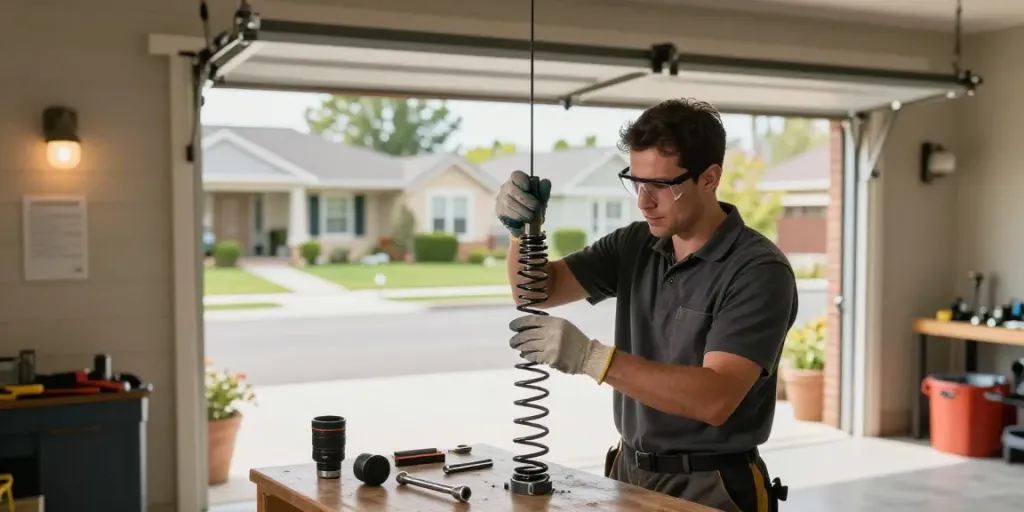
Garage door springs are under immense tension, and improper handling can result in serious injury or further damage. Without the right tools and expertise, attempting to replace or repair springs can lead to:
- Injuries from snapping springs
- Damage to the garage door or surrounding structures
- Increased repair costs due to improper fixes
Choosing the Right Garage Door Repair Service in Niagara Falls
Finding a qualified service is essential for effective repairs. Look for companies that have:
- Experience: Established businesses with a good reputation are often more reliable.
- Positive Reviews: Customer testimonials can provide insight into the quality of service.
- Certified Technicians: Ensure they employ trained professionals who understand the complexities of garage door systems.
What to Expect from a Professional Garage Door Inspection
A professional inspection usually involves checking the springs, cables, rollers, and other components. Technicians will:
- Assess the overall condition of the garage door.
- Identify any potential issues before they worsen.
- Suggest preventive maintenance if necessary.
Types of Garage Door Springs: Which One Do You Need?
Understanding the different types of garage door springs can help homeowners make informed decisions when repairs or replacements are necessary.
Torsion Springs vs. Extension Springs: Key Differences
Torsion springs are mounted above the garage door and bear the door's weight through torque, while extension springs are located on either side. Here are key differences:
- Function: Torsion springs provide more control and are generally safer, while extension springs expand and contract.
- Durability: Torsion springs often last longer due to reduced wear.
- Installation: Torsion springs require more expertise to install compared to extension springs.
How to Determine Which Type of Spring You Have
Inspection is crucial for determining the type of spring:
- Check the location of the springs—if they’re above the door, they’re likely torsion springs.
- Look for labeling or consult with a professional if uncertain.
Replacement Options: Quality, Cost, and Longevity
When considering replacement springs, take note of:
- Material: High-quality steel springs last longer than their cheaper counterparts.
- Cost: Prices can vary based on type and brand, so get estimates from several providers.
- Warranty: Consider options that offer warranties, indicating quality assurance.
Preventive Measures to Avoid Broken Springs
Taking preventive measures can significantly extend the lifespan of your garage door springs, saving you from future headaches.
Regular Maintenance: Best Practices for Homeowners
Routine maintenance can prevent many common issues related to garage doors:
- Lubricate the springs and all moving parts regularly.
- Inspect the door balance to avoid undue strain on the springs.
- Schedule professional inspections annually.
Signs You Need to Replace Your Garage Door Springs
Awareness of replacement indicators can save time and money:
- Visible signs of wear, such as rust or gaps.
- Frequent issues with opening or closing the door.
Enhancing Spring Longevity: Tips for Homeowners
Consider these tips to enhance the longevity of your garage door springs:
- Keep the garage door clean and debris-free.
- Install a vibration-absorbing mat to minimize shocks.
Future Trends in Garage Door Technology
As technology evolves, so do garage door systems, promising more convenience and safety for homeowners.
Smart Garage Door Systems and Their Benefits
Smart garage door systems allow homeowners to control their doors remotely, providing enhanced security and convenience. Features often include:
- Mobile alerts and monitoring
- Integration with home automation systems
The Role of Materials in Spring Durability
Advancements in materials science are leading to springs that last longer and resist wear:
- Improvements in stainless steel and galvanized materials
- Coatings that prevent rust and corrosion
Predictions for Garage Door Maintenance in 2026 and Beyond
Looking ahead, it’s expected that maintenance will become increasingly automated, with smart diagnostics helping homeowners catch problems early. Integration with AI and IoT technology could lead to systems that monitor performance and predict failures before they occur.
What should I do if my garage door spring breaks?
If your spring breaks, it’s imperative to stop using the door immediately and call a professional. Attempting to manually lift the door can lead to injury or further damage.
How much does it cost to repair a broken spring in Niagara Falls?
Repair costs can vary based on the type of spring and the complexity of the job, typically ranging from $150 to $300, depending on whether parts need replacement.
Can I replace a garage door spring myself?
While it’s possible, replacing a garage door spring can be dangerous due to high tension. It is highly recommended to enlist the help of a trained professional.
How often should garage door springs be maintained?
Regular inspections should be conducted at least once a year, with additional checks recommended during extreme weather conditions.
What are the signs of a failing garage door spring?
Signs include unusual noises, inability to lift the door, or an uneven appearance when it is closed.